Windscreen Wipers: What You Need to Know for Clear Visibility
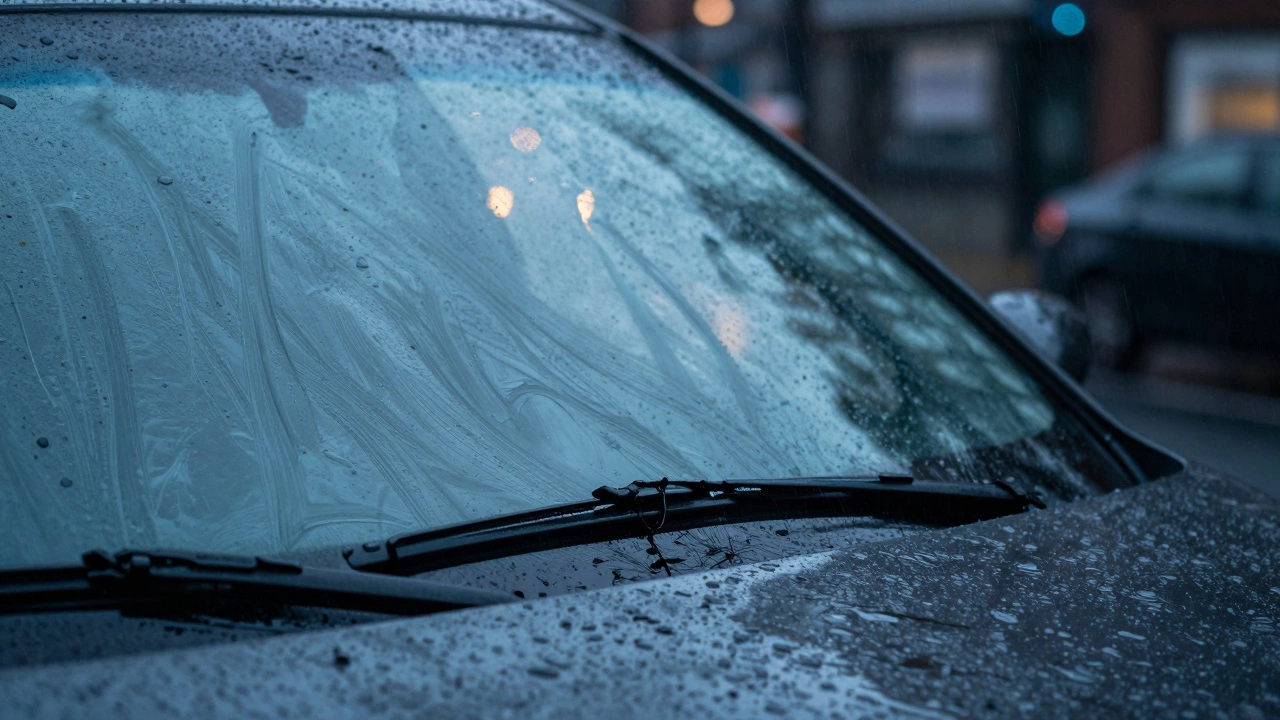
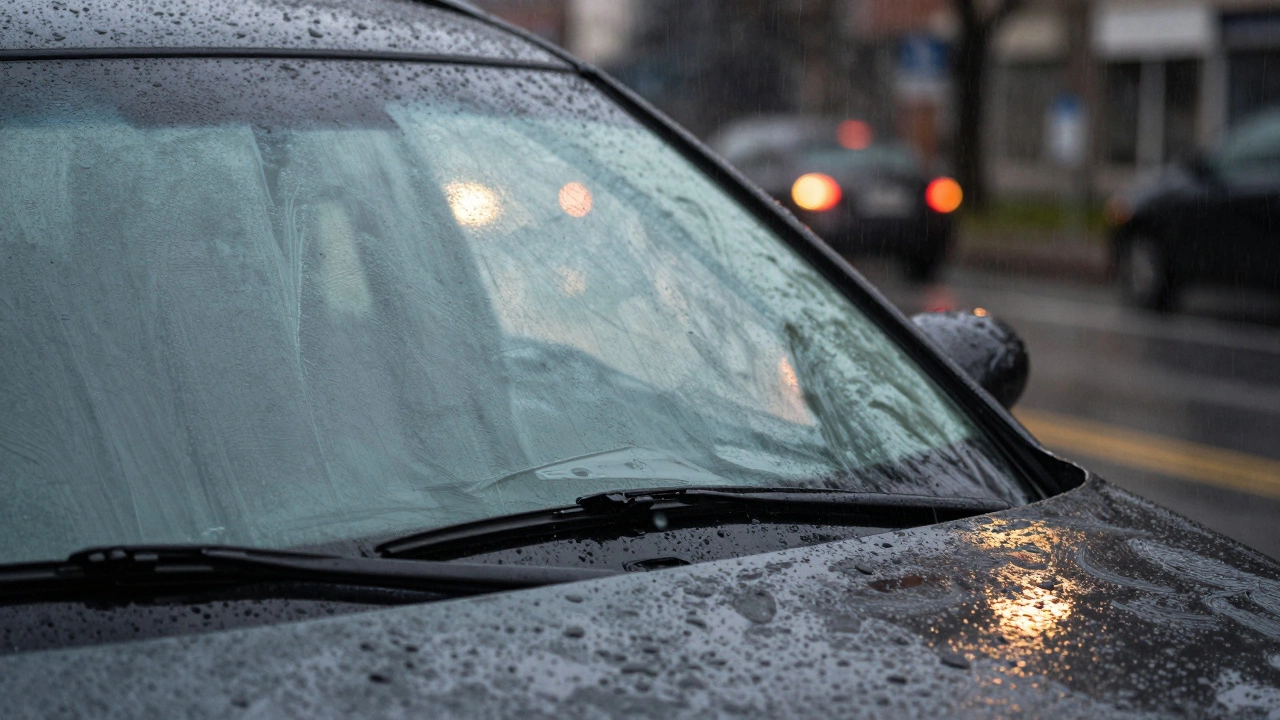
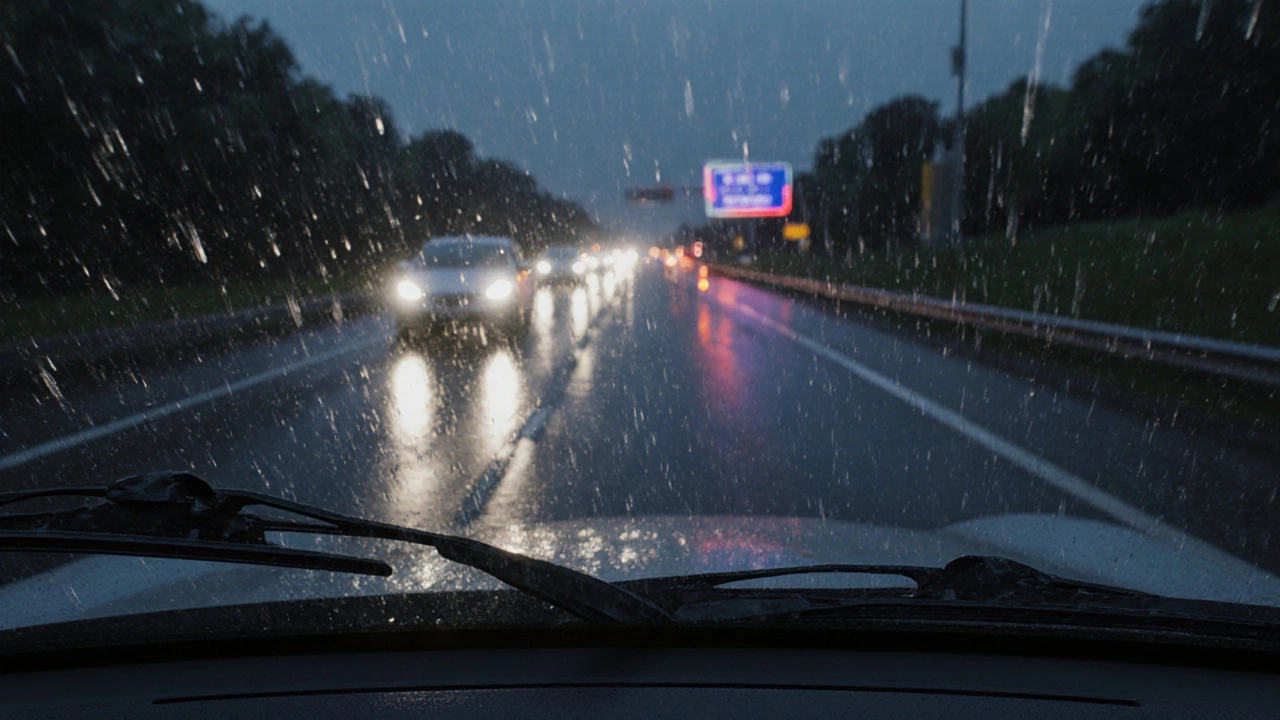
When it comes to driving safely in rain, snow, or even dust, windscreen wipers, the blades that clear water and debris from your car’s front and rear glass. Also known as windshield wipers, they’re one of the simplest parts of your car—but one of the most critical. If your wipers are streaking, skipping, or just not clearing the glass, you’re not just dealing with annoyance—you’re risking your vision and safety. A clear view isn’t optional. It’s the difference between spotting a pedestrian, a stop sign, or a sudden brake light—and missing it entirely.
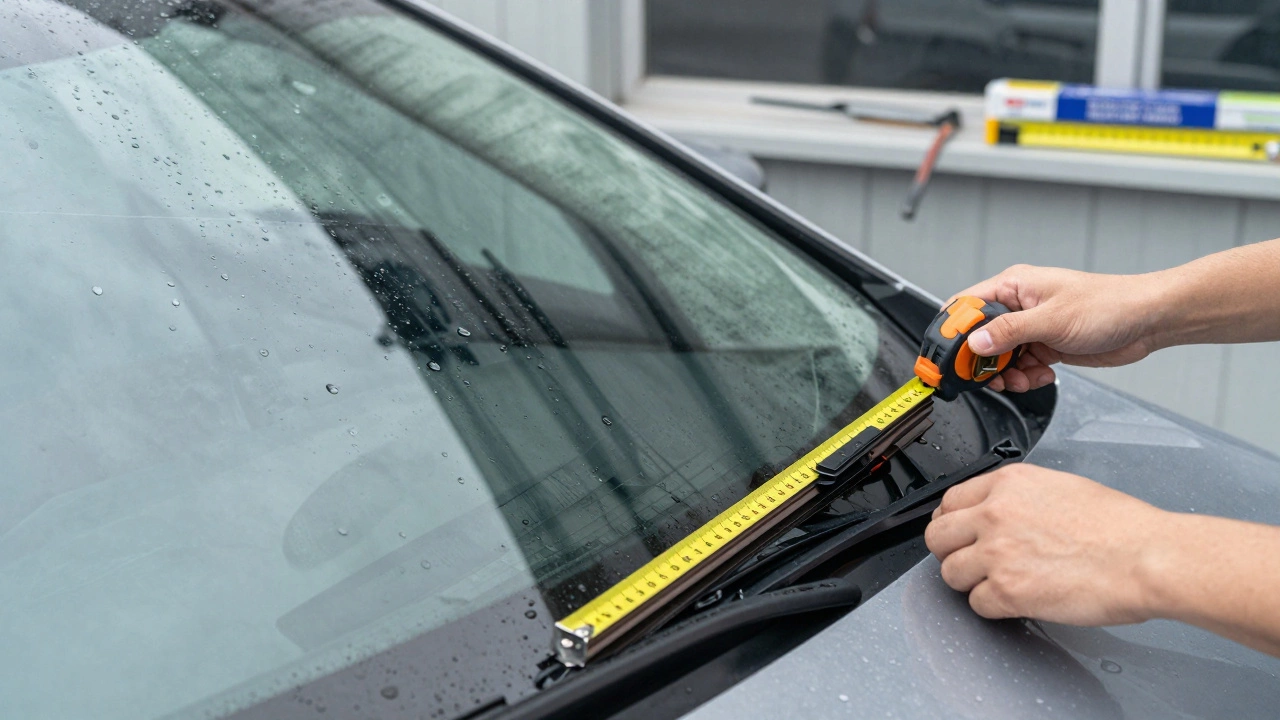
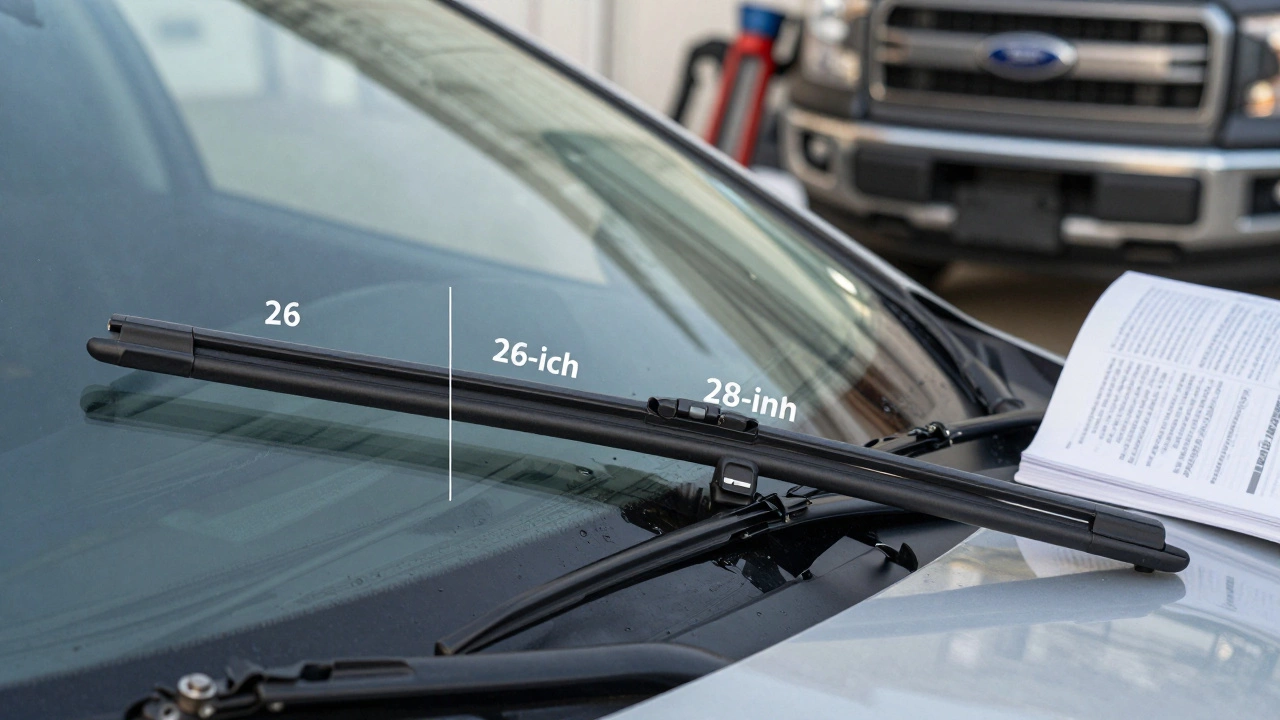
Not all wipers are the same. wiper blade size, the exact length of the rubber blade that sweeps across your glass varies by car make, model, and even year. Using the wrong size won’t just leave patches of uncleaned glass—it can damage the wiper arm or even the windscreen itself. And while most people know to check the front wipers, rear windscreen wiper, the smaller blade on the back window that many drivers forget about is just as important. In the UK, removing it isn’t just a bad idea—it could break the law depending on your vehicle’s original design. The MOT test checks it. Insurance might not cover you if it’s missing and you’re in an accident.
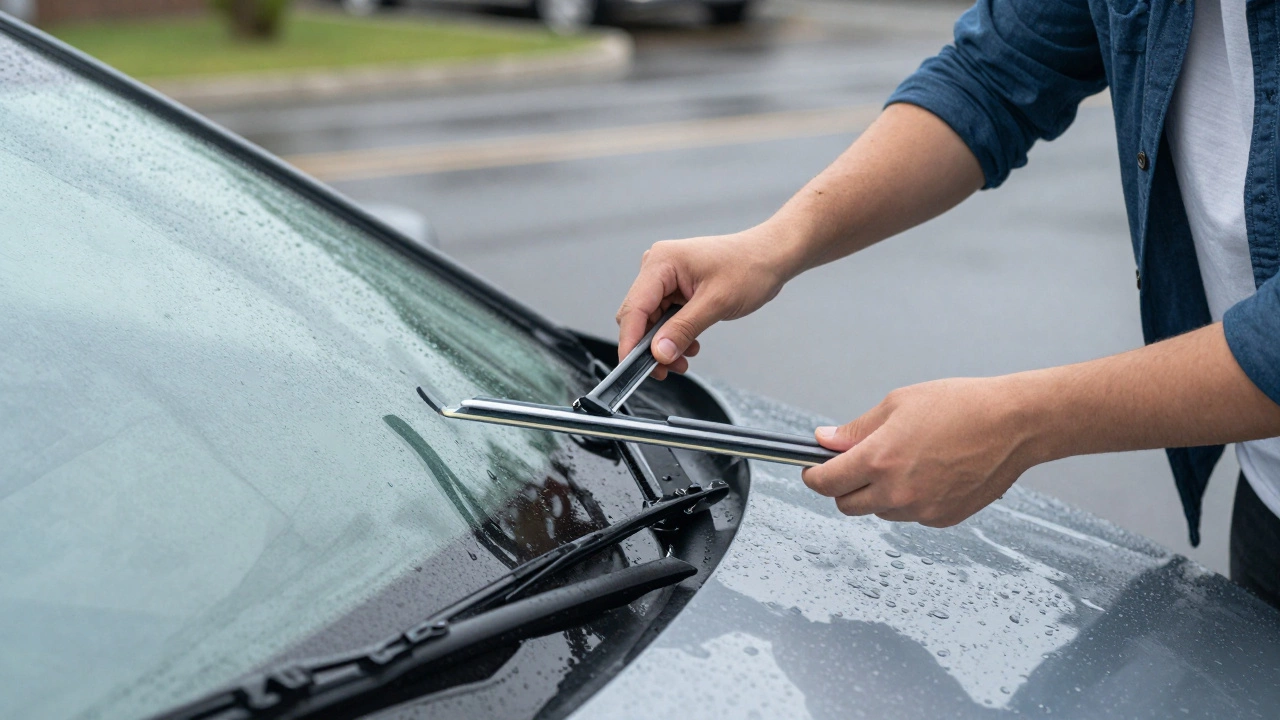
Then there’s the fluid. You might think tap water is fine in a pinch, but windshield wiper fluid, the specially formulated liquid that helps dissolve bugs, salt, and grime does more than just clean—it prevents freezing in winter and stops the rubber from drying out. Using water can leave streaks, corrode the pump, or even crack the reservoir in cold weather. And no, you can’t always count on getting them installed for free at the store. Some places will do it, others won’t. It’s not guaranteed. That’s why knowing how to swap them yourself matters.
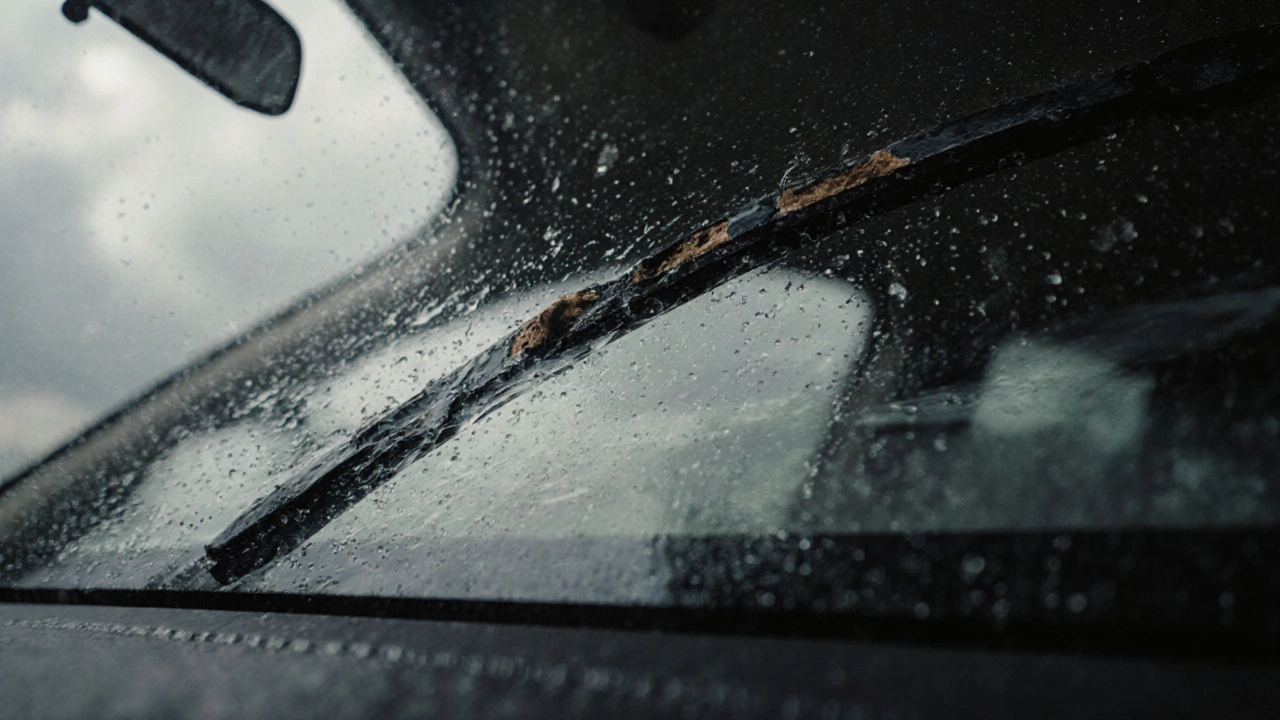
How often should you change them? Most people wait until they’re blurry—but the real signs are quieter: chattering, smearing, or just not making full contact with the glass. Weather plays a big role. Sun, ice, and road salt wear them out faster than you think. In the UK, you might need new blades every 6 to 12 months, not every two years like some assume. And if you’re buying replacements, don’t just grab the cheapest ones. The brand, material, and frame design affect performance. You don’t need the most expensive, but you do need ones made for your car’s shape and your local conditions.
There’s also the little stuff you might not think about—like why British drivers say "windscreen" instead of "windshield," or why some cars have different wiper patterns (parallel, asymmetrical, or even curved). These aren’t just trivia. They help you talk to mechanics, read labels correctly, and avoid buying the wrong parts. Whether you’re replacing blades for the first time, wondering if your rear wiper is legal, or just trying to stop your windshield from smearing in a downpour, the right info saves time, money, and maybe even your life.
Below, you’ll find real guides that cut through the noise—no fluff, no guesswork. Just straight answers on sizing, replacing, fluid substitutes, rear wiper rules, and what actually happens when you walk into a shop with new blades in hand. You don’t need to be a mechanic. You just need to know what to look for.