Slip-on vs Full Exhaust: Which One Really Gives You More Power and Sound?
Deciding between a slip-on and full exhaust? Learn the real power, sound, and cost differences - and which one actually improves performance on your motorcycle.
When you think about your car’s exhaust systems, the pathway that moves engine gases out of your vehicle and reduces noise and emissions. Also known as exhaust piping, it’s not just a quiet tailpipe—it’s a key part of how your engine breathes, makes power, and sounds. A poorly designed exhaust can choke your engine. A well-tuned one? It unlocks hidden performance and gives your ride a signature growl.
Not all exhaust systems are the same. Catback exhaust, the section from the catalytic converter back to the tailpipe is the most popular upgrade because it’s a direct way to improve flow and sound without touching the engine. Then there’s exhaust size, the diameter of the pipes, which directly affects how well your engine can expel gases. Too small, and you lose power. Too big, and you kill low-end torque. For a 300 HP engine, 2.5 to 3 inches is usually the sweet spot. For 400 HP or more, you’re looking at 3.5 inches or more. And if you’re towing or running a diesel truck, the difference between a 4-inch and 5-inch pipe isn’t just about looks—it’s about how much heat and pressure your system can handle.
Want that deep, rumbling sound? It’s not magic. It comes from exhaust sound modification, changes to mufflers, resonators, and pipe routing that shape the tone. A straight-through muffler gives you that aggressive bark. A chambered one keeps it deep but controlled. But remember: there are legal limits. Some loud setups fail emissions or noise checks. You don’t need a rocket engine to sound good—just the right setup.
And what about that 2 into 1 exhaust? It’s common on motorcycles but also used on some performance cars. It combines two exhaust pipes into one, which can improve scavenging and boost horsepower—if your engine is tuned for it. But it’s not a magic bullet. It works best with other mods like a tuned ECU or upgraded headers.
Material matters too. Stainless steel lasts longer and resists rust better than aluminized steel. But it costs more. If you’re not racing or tracking your car, a good-quality aluminized system will do the job for years. If you live near the coast or in snowy areas, go stainless. It’s worth the extra cash.
Whether you’re driving a daily commuter, a tuned sedan, or a heavy-duty truck, your exhaust system is doing more than just letting fumes out. It’s helping your engine breathe, shaping your ride’s character, and even affecting fuel efficiency. Get it right, and you’ll feel the difference—not just in sound, but in how your car responds.
Below, you’ll find real-world guides on picking the right exhaust size, making your car sound mean without breaking the law, and understanding what actually boosts horsepower. No hype. Just clear, practical info from people who’ve done the work.
 Feb, 12 2026
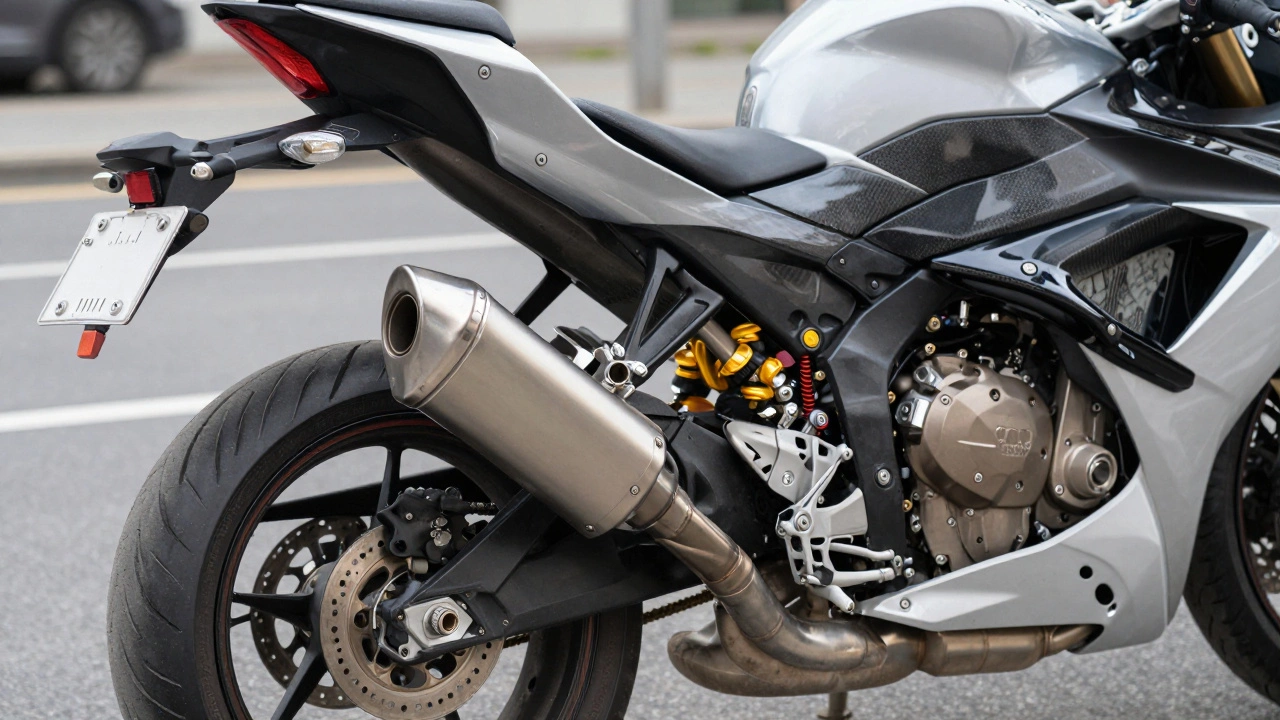
Deciding between a slip-on and full exhaust? Learn the real power, sound, and cost differences - and which one actually improves performance on your motorcycle.
 Feb, 1 2026
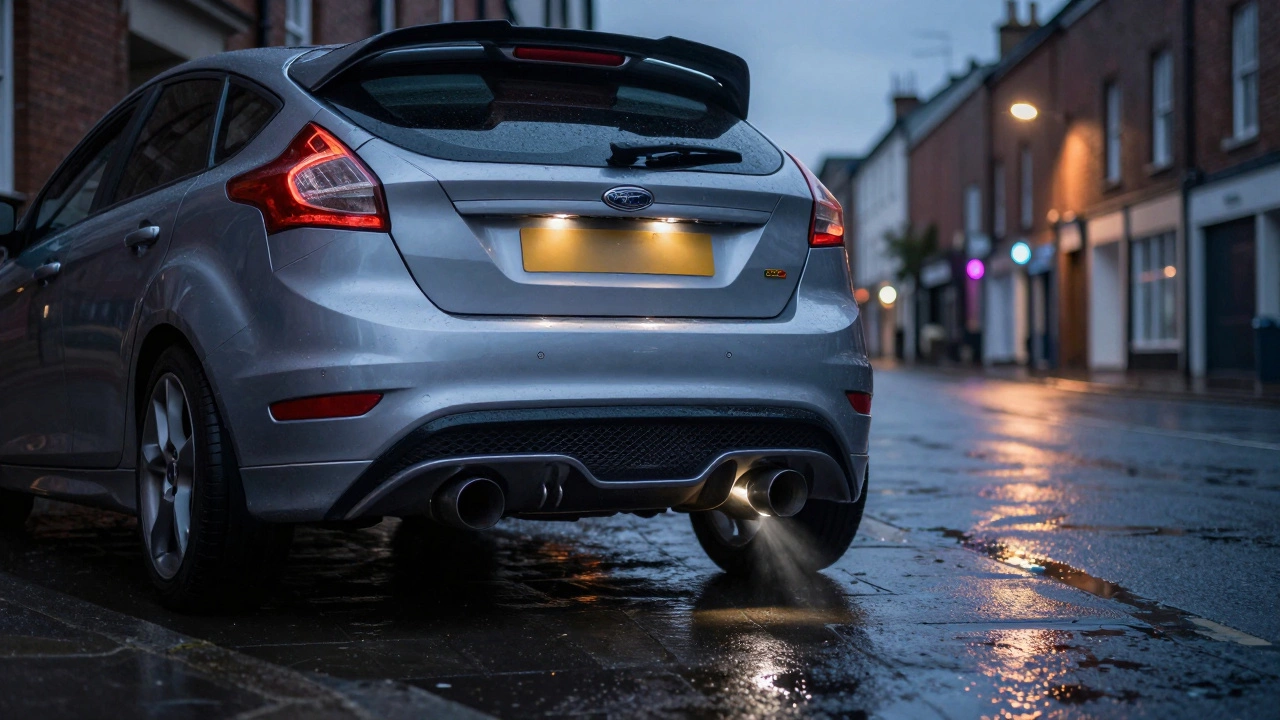
Aftermarket exhausts can make your car sound better and add a few horsepower, but they’re not a magic upgrade. Learn the real pros, cons, and whether it’s worth the cost and noise in the UK.
 Dec, 29 2025
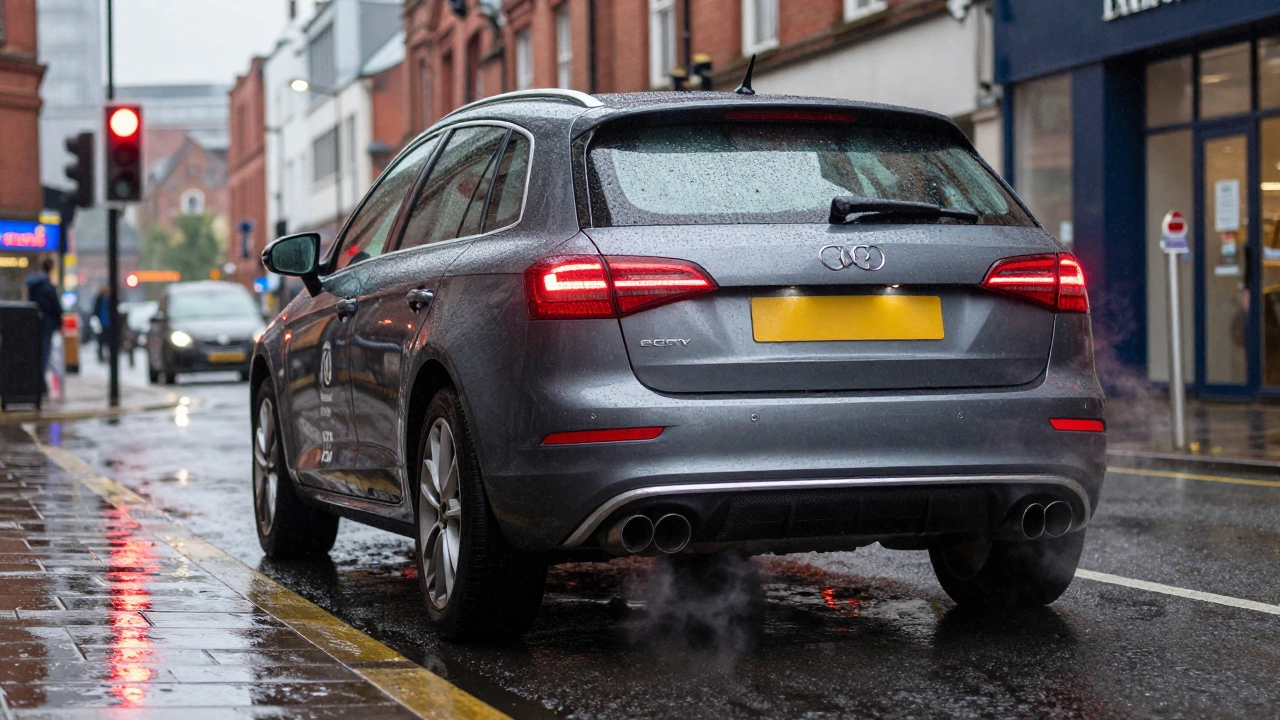
Discover which mufflers deliver the best sound for your car-deep rumble, aggressive crackle, or refined tone-without breaking the law or your wallet. Real-world picks for UK drivers.
 Dec, 25 2025
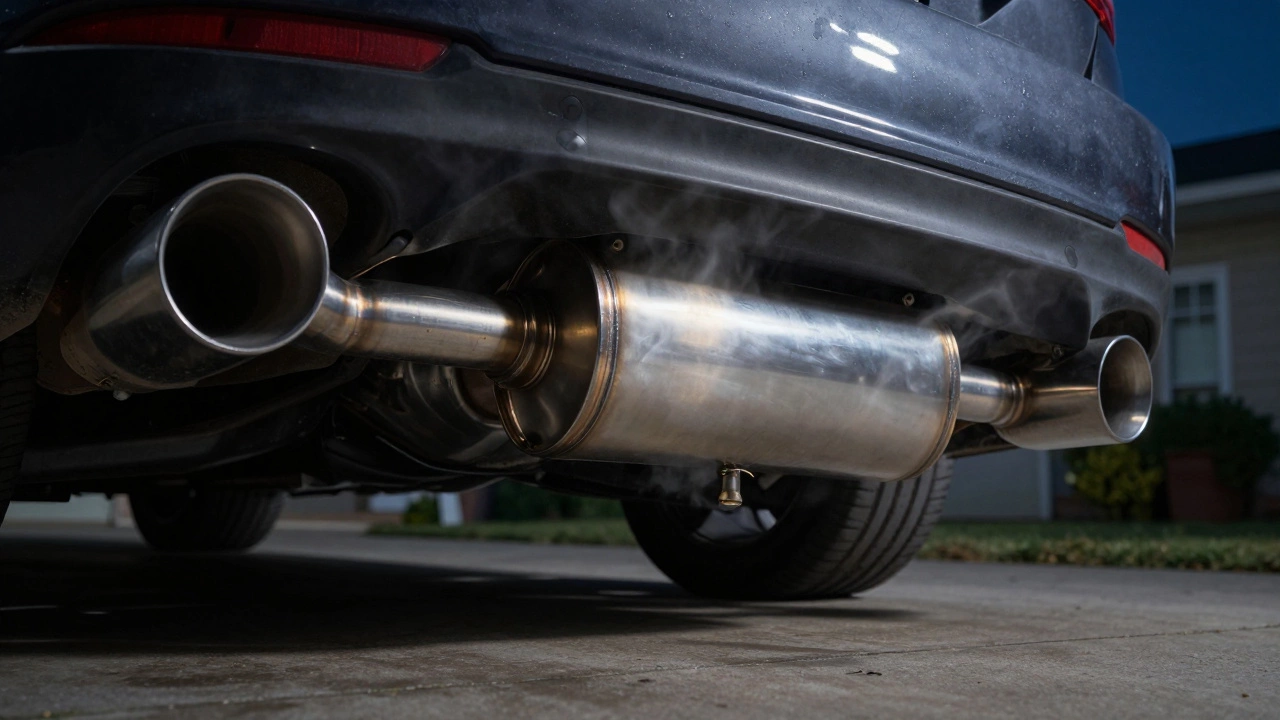
Choosing the right exhaust system depends on your car, driving style, and local laws. Learn what types work best for UK drivers, which materials last, and how to avoid costly mistakes.
 Dec, 1 2025
Learn how to get a deeper, richer exhaust sound without breaking the bank or going illegal. Simple mods like muffler swaps, pipe upgrades, and resonator removal can transform your car’s tone for less than £600.
 Oct, 21 2025
Find out which exhaust system suits your car, from material choices to performance gains, with a practical buying guide for 2025.
 Oct, 8 2025
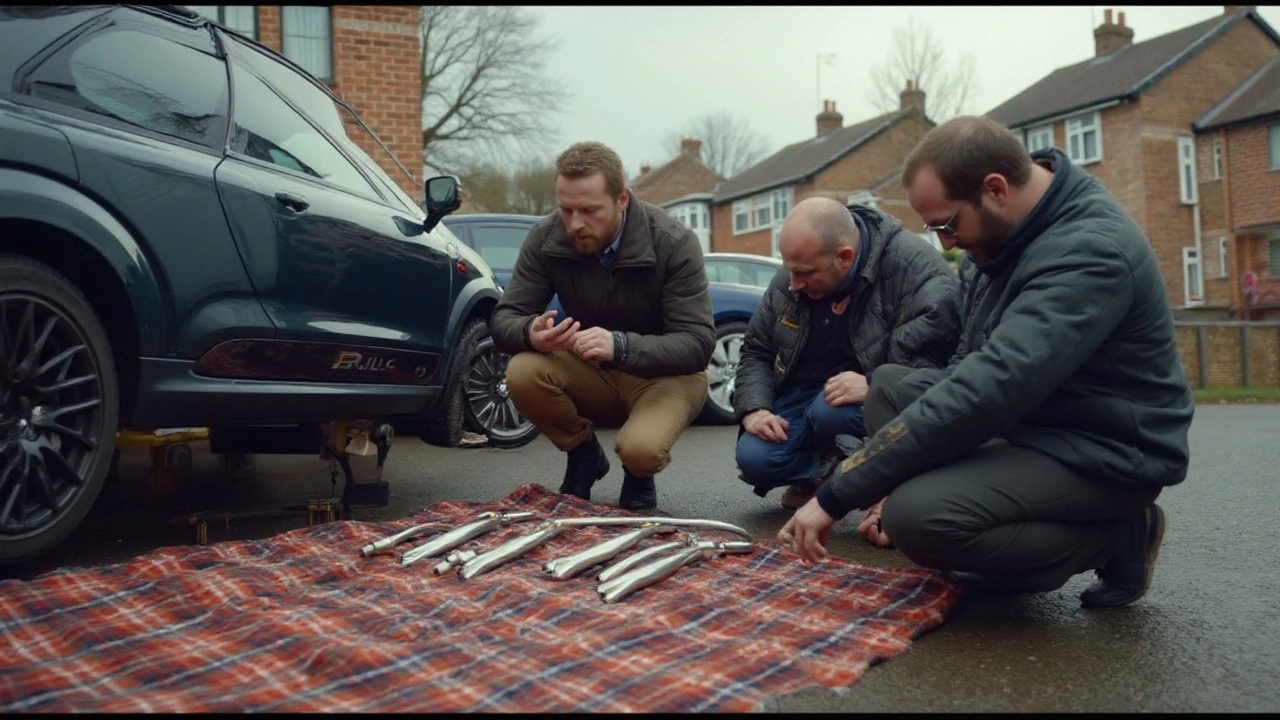
Learn practical steps to achieve a deep sounding exhaust, from muffler swaps and cat‑back systems to legal limits and maintenance tips.
 Aug, 7 2025
Unsure what exhaust size you need for a 300 hp setup? Learn which pipe diameter gives the best power and sound, plus get real-world tips from car enthusiasts.
 Jun, 5 2025
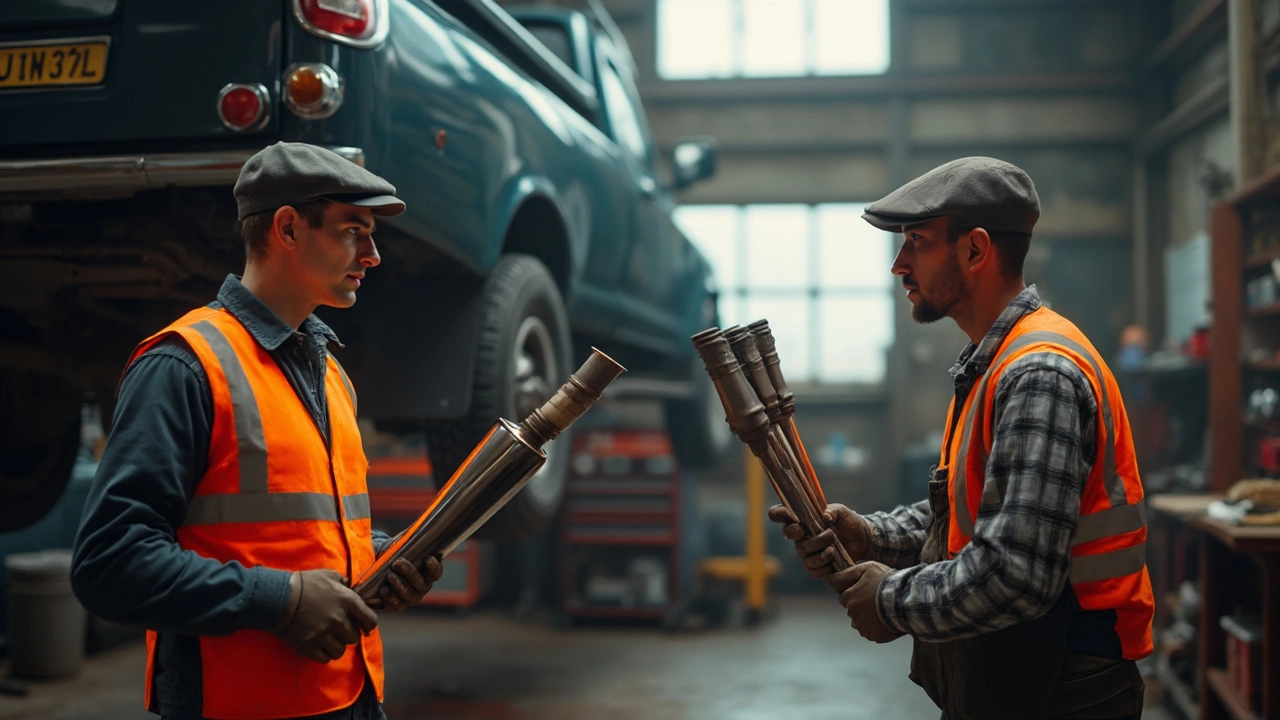
Ever wondered if swapping to a 2 into 1 exhaust actually gives your ride more horsepower? This article digs into how a 2 into 1 setup works, why it can boost engine performance, and the real-world benefits and trade-offs you should expect. We’ll bust some myths and share simple tips for picking the right exhaust. Get ready for straight-up, no-fluff answers about whether it’s worth making the switch.
 May, 15 2025
Choosing between a 4-inch and 5-inch exhaust isn't just about looks—it's all about how your truck breathes and performs. This article breaks down the pros and cons of each size, explains how they affect sound and power, and clears up some common exhaust myths. You'll get specific tips for daily drivers and tow rigs. Plus, learn what matters if you're running heavy tunes or towing heavy loads. Find out what size fits your setup best, backed by real-world advice.
 Feb, 20 2025
Finding the right exhaust size for a 400 HP engine is crucial to optimizing your car's performance. Understanding how exhaust diameters affect power and torque can guide you in making the best decision. This article explores everything from basic principles of exhaust sizing to practical tips for balancing performance and sound. Learn how factors like pipe material and design can influence the final choice. Unlock the secrets to maximizing your engine's potential with the perfect exhaust setup.
 Jan, 31 2025
A Catback exhaust system is more than just a car part upgrade; it's a gateway to improved engine performance and a signature sound. This article unpacks the components and functions of a Catback system and explains how it transforms driving. Tips on installation and considerations before upgrading are included to ensure enthusiasts make informed choices.