Will New Spark Plugs Improve Starting? Here’s What Really Happens
New spark plugs can improve starting if your old ones are worn out-but only after ruling out battery, fuel, or sensor issues. Here’s what actually matters for cold starts.
When your spark plug replacement, a routine maintenance task that ensures your engine ignites fuel properly. Also known as ignition plugs, these small parts are the heartbeat of your engine’s combustion cycle. If they wear out, your car doesn’t just run poorly—it starts wasting fuel, spitting out dirty exhaust, and throwing error codes you can’t ignore.
A faulty spark plug, the component that creates the electric spark to ignite the air-fuel mixture in your engine’s cylinders doesn’t just cause a rough idle. It leads to incomplete burning of fuel, which means unburned gas flows into your exhaust system, the pathway that carries combustion gases out of your engine. That’s why you might notice a rotten egg smell, louder exhaust noise, or even a failed emissions test. Over time, this extra fuel can overheat and destroy your catalytic converter—a repair that costs five times more than replacing spark plugs.
Most cars need new spark plugs every 30,000 to 100,000 miles, depending on the type. Copper plugs wear out faster. Platinum and iridium ones last longer but still fail. You won’t always get a warning light, but you’ll feel it: hesitation when accelerating, poor fuel economy, or the engine shaking at idle. A misfire from worn plugs doesn’t just annoy you—it strains your engine and increases long-term repair risk.
Some drivers think spark plugs are a "set it and forget it" part. They’re not. Ignoring them is like ignoring your oil change. You might not break down right away, but you’re slowly killing your engine’s efficiency. And if you’re already dealing with a check engine light or rough running, spark plugs are one of the first things a mechanic checks—not because they’re cheap, but because they’re often the root cause.
What you’ll find in the posts below isn’t just theory. It’s real talk from drivers who ignored the signs, mechanics who’ve seen the damage, and data that shows exactly how bad plugs affect your car’s performance and emissions. You’ll learn how to spot failing plugs before they cost you hundreds, what the real price of replacement includes, and why a simple tune-up might save you from a much bigger bill down the road.
 Jan, 4 2026
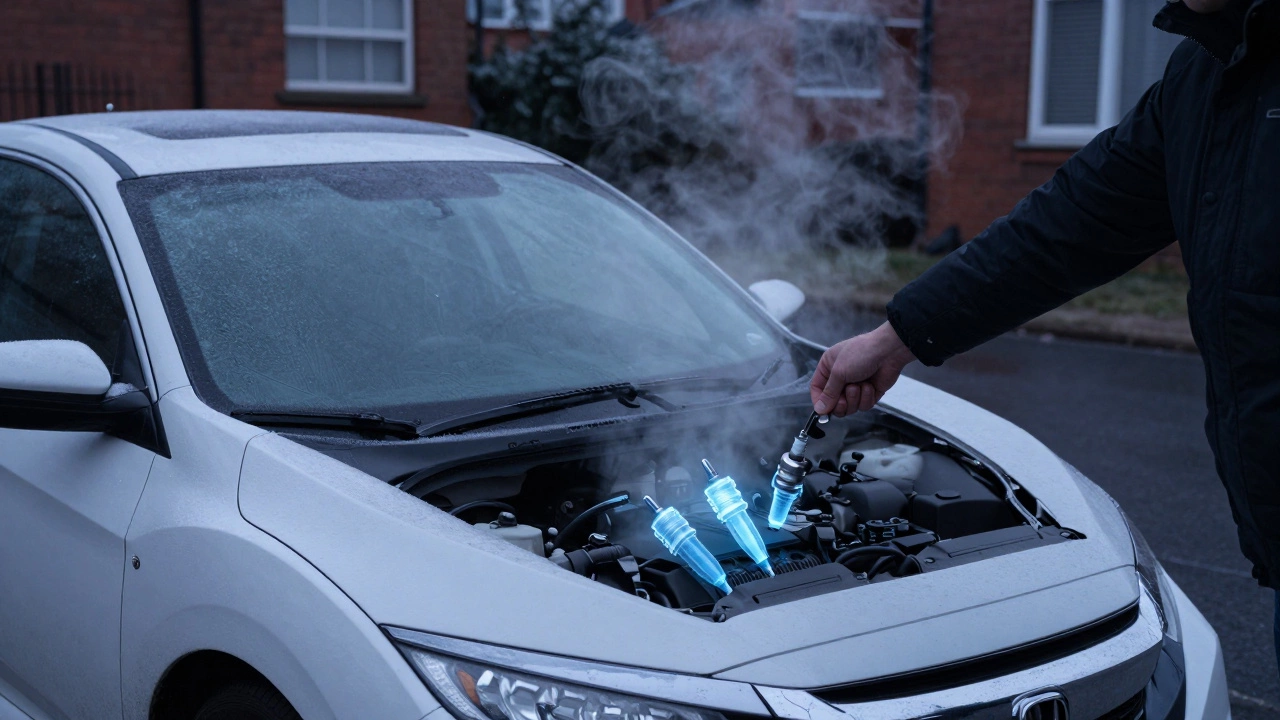
New spark plugs can improve starting if your old ones are worn out-but only after ruling out battery, fuel, or sensor issues. Here’s what actually matters for cold starts.
 Dec, 22 2025
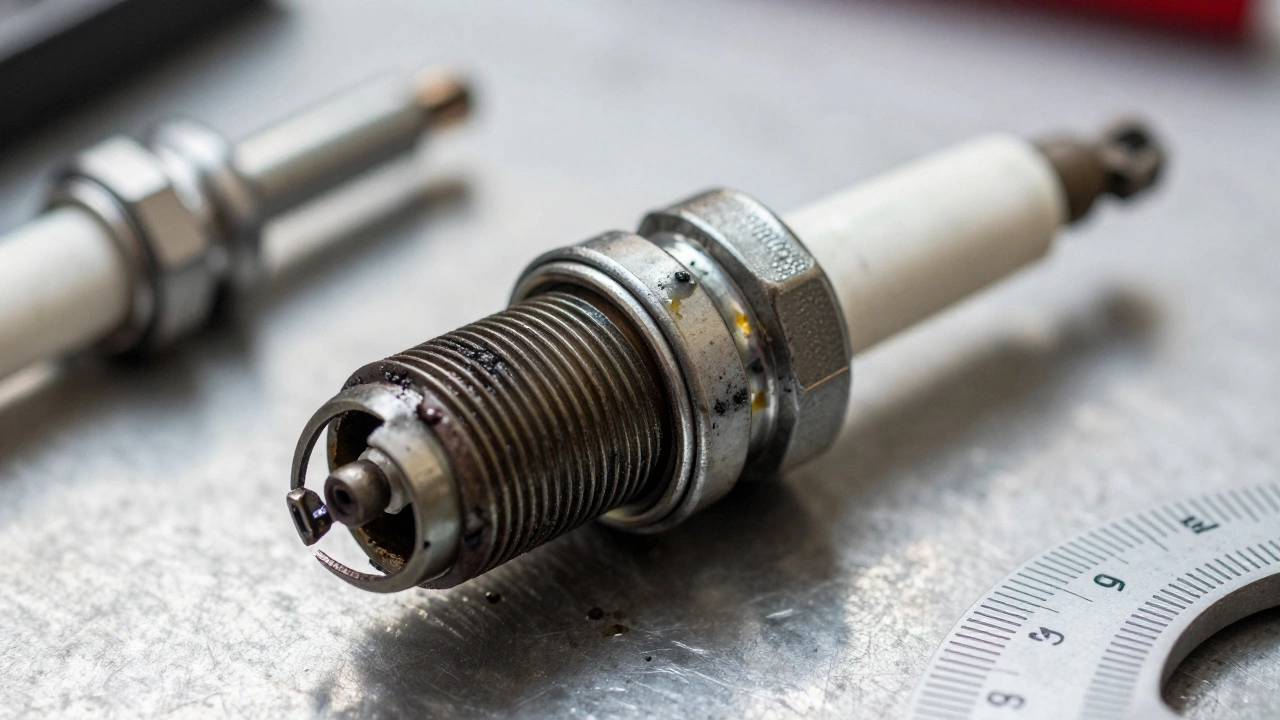
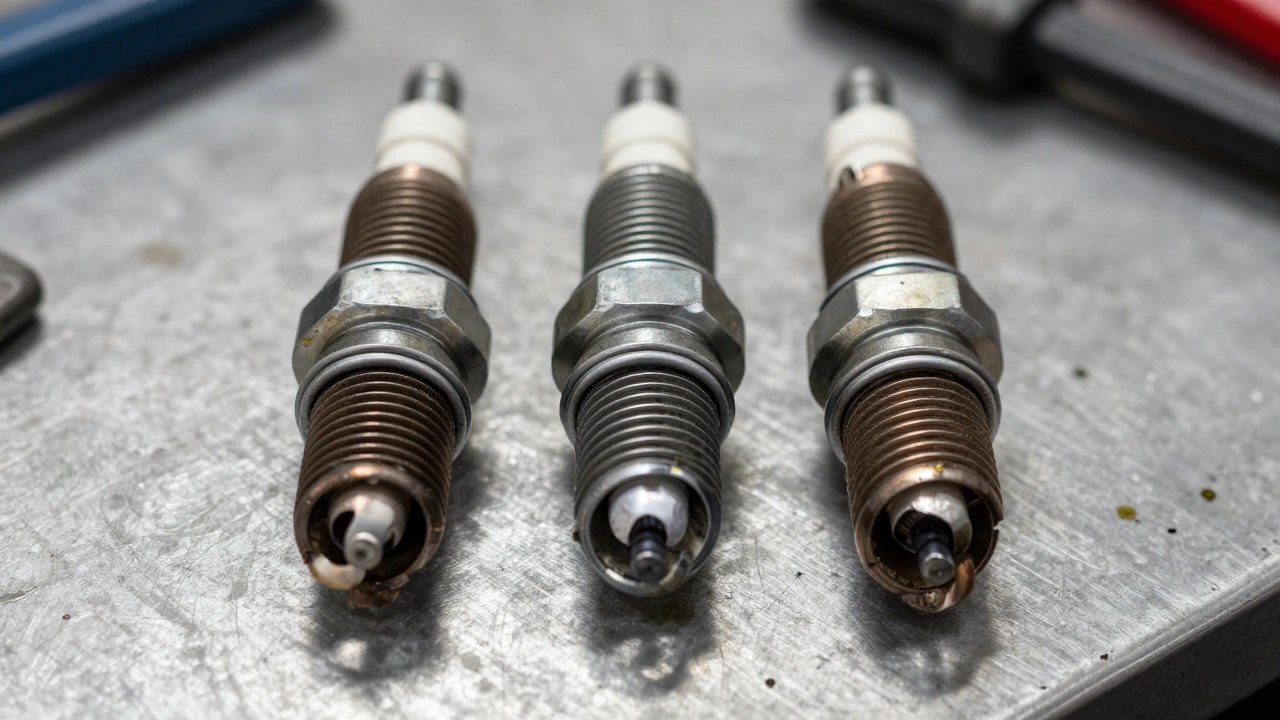
Learn how to test for bad spark plugs with simple signs like misfires, hard starts, and rough idling. Step-by-step guide to inspecting, checking gaps, and replacing plugs yourself.
 Dec, 7 2025
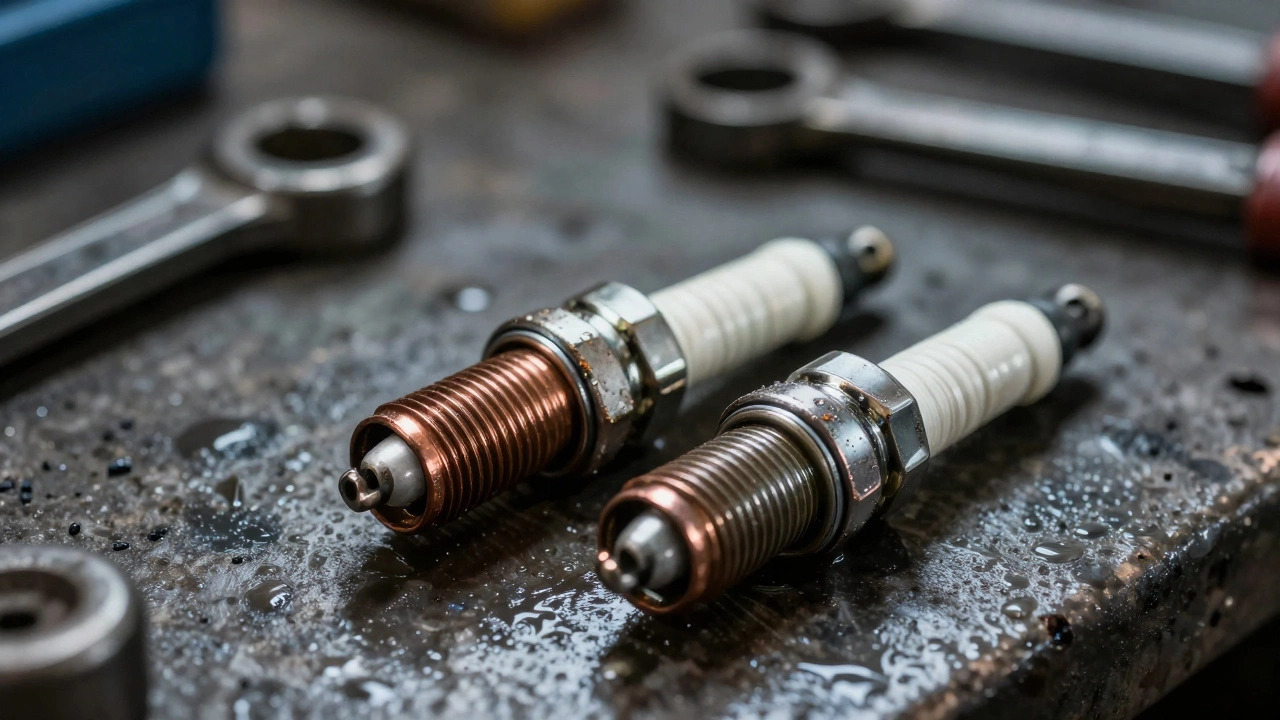
Spark plugs typically last 20,000 to 120,000 miles depending on type-copper, platinum, or iridium. Learn when to replace them, signs of failure, and how to avoid costly engine damage.
 Dec, 1 2025
Spark plugs may seem small, but they're critical to engine performance. Worn plugs reduce fuel efficiency, cause misfires, and can damage expensive parts. Replacing them on time saves money and keeps your car running smoothly.
 Nov, 27 2025
Driving with bad spark plugs may seem harmless at first, but it can lead to expensive engine damage. Learn the signs, risks, and when to replace them to avoid costly repairs.